
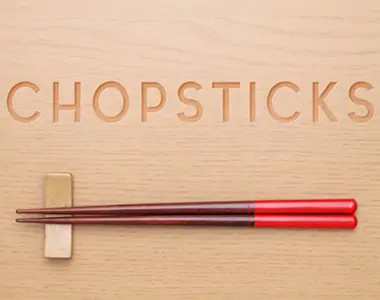
Some interesting facts about chopsticks
Some interesting facts about chopsticks Read More »
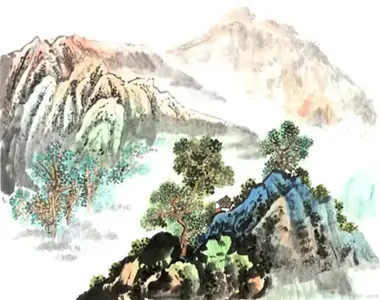
As a traditional Chinese art form, Chinese painting carries profound historical and cultural heritage. It is more than just a visual artistic expression; it serves as a carrier of the spirit and philosophy of the Chinese nation. What exactly qualifies a painting as Chinese painting, and how is it created? 1、Categories of Chinese PaintingChinese painting
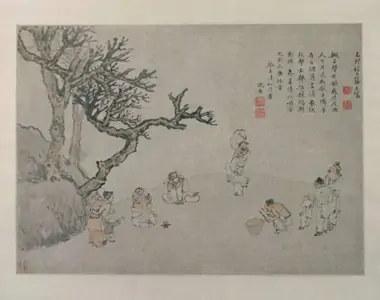
The term “traditional Chinese painting” dates back to the Han Dynasty. People of the Han Dynasty believed that China occupied the center of heaven and earth, hence the name “Zhongguo (China)”; paintings created within China were therefore named “Zhongguo Hua”, shortened to “Guohua (traditional Chinese painting)”. It primarily refers to scroll paintings executed on silk,
Oriental Fine Arts – Chinese Painting Read More »
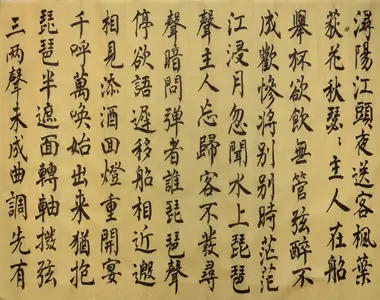
Chinese calligraphy is a unique art form that takes Chinese characters as its carrier and uses writing brushes for creation, translated as Chinese calligraphy in English. It is not only a national intangible cultural heritage of China but also inscribed on the Representative List of the Intangible Cultural Heritage of Humanity. As a core treasure
Chinese Calligraphy: A Treasure of Chinese Culture Read More »
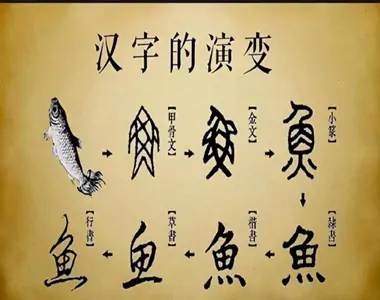
Chinese Written and Linguistic Elements Chinese characters are used not only within China but also in other countries of the Chinese cultural sphere such as Japan, serving as the primary carrier for inheriting Chinese culture. Chinese characters took shape through the simplification of graphic symbols. Seventeen sets of carved symbols were uncovered on fourteen artifacts
Chinese Culture: Chinese Characters Read More »
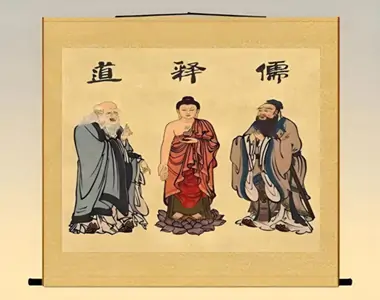
Confucianism, Buddhism and Taoism constitute the core of traditional Chinese culture. Confucian religion differs from Confucian school of thought. It has been perpetuated through rituals in ancestral temples and clan shrines, as well as offerings at Confucian and Martial Temples, and attained the status of orthodox ideology through imperial edification. Besides, there exist various indigenous
Religious Culture in Traditional Chinese Culture Read More »
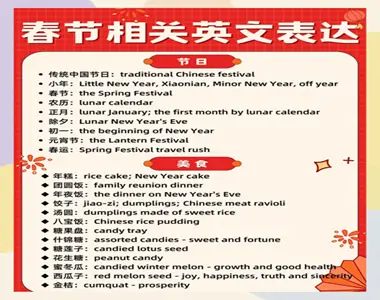
Chinese traditional culture is extensive and profound. From festival customs and artistic treasures to philosophical thoughts and wisdom of daily life, all serve as important carriers of Chinese culture. The 120 core terms selected by People’s Daily cover six major fields: festivals, cuisine, literature, art, history and philosophy, making them an essential tool for cross-cultural
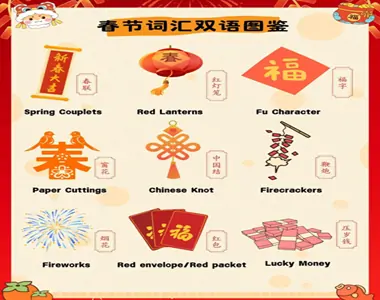
1、元宵节:Lantern Festival 2、刺绣:Embroidery 3、重阳节:Double-Ninth Festival 4、清明节:Tomb sweeping day 5、剪纸:Paper Cutting 6、书法:Calligraphy 7、对联:(Spring Festival) Couplets 8、象形文字:Pictograms/Pictographic Characters 9、雄黄酒:Realgar wine 10、四合院:Siheyuan/Quadrangle 11、战国:Warring States 12、风水:Fengshui/Geomantic Omen 13、昆曲:Kunqu Opera 14、长城:The Great Wall 15、集体舞:Group Dance 16、黄土高原:Loess Plateau 17、红白喜事:Weddings and Funerals 18、中秋节:Mid-Autumn Day 19、花鼓戏:Flower Drum Song 20、儒家文化:Confucian Culture 21、中国结:Chinese knotting 22、古装片:Costume Drama 23、武打片:Chinese Swordplay Movie 24、元宵:Tangyuan/Sweet Rice Dumpling (Soup) 25、越剧:Yue Opera
English Expressions for 100 Traditional Chinese Cultural Terms Read More »
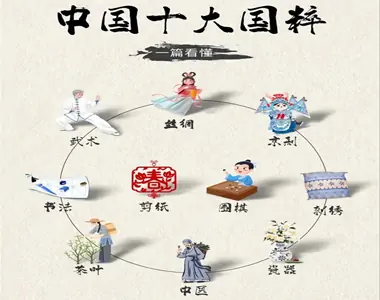
Chinese traditional culture has a long and profound history. People have thrived along the Yellow River and the Yangtze River, with continuous migration and development deeply rooted in these regions, forming a cultural stronghold that has been cherished across generations and eras—a heritage of enduring historical significance. Within China’s five-thousand-year-old tradition lie numerous quintessential cultural
Top Ten Traditional Cultures of China Read More »
Chinese traditional culture refers to the sum total of material and spiritual achievements formed by the Chinese nation during its long historical development. In English, it is usually translated as “Traditional Chinese Culture” or “Chinese Traditional Culture”. It is based on the Central Plains culture and encompasses various aspects such as ideological concepts, ritual systems,
Introduction to Chinese Traditional Culture Read More »