
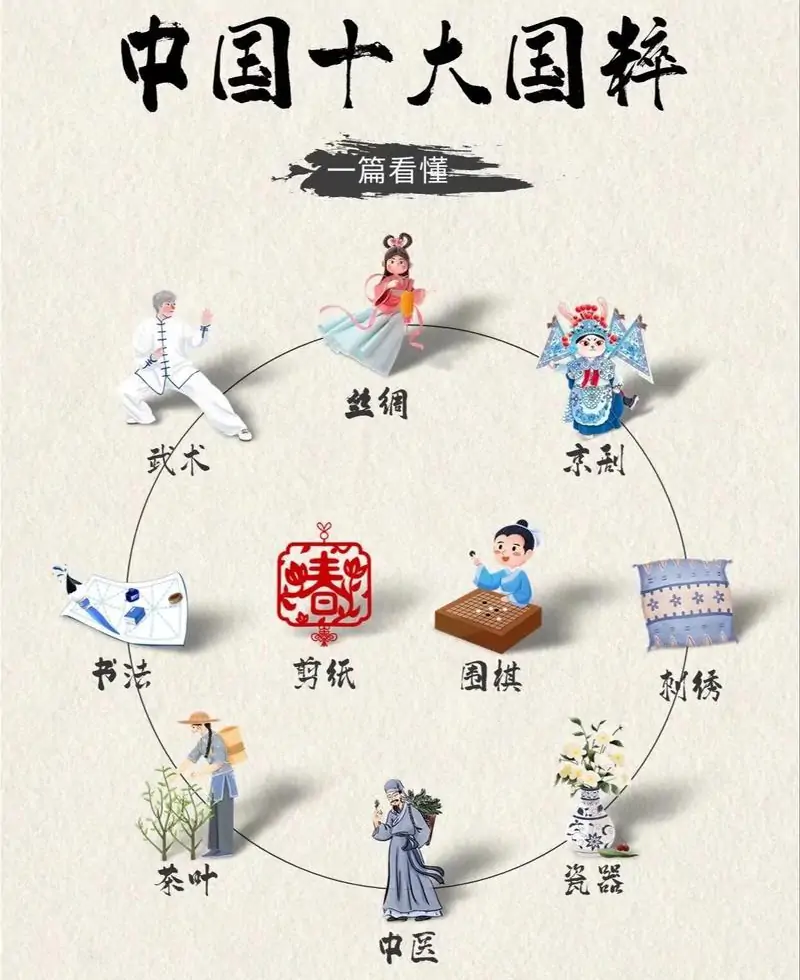
Chinese traditional culture has a long and profound history. People have thrived along the Yellow River and the Yangtze River, with continuous migration and development deeply rooted in these regions, forming a cultural stronghold that has been cherished across generations and eras—a heritage of enduring historical significance. Within China’s five-thousand-year-old tradition lie numerous quintessential cultural treasures, known as “national essences.” These represent the finest expressions of a nation’s indigenous culture, entirely originating from China and embodying the essence of its unique cultural heritage.
1、Porcelain
China is the birthplace of porcelain, and it represents an important creation of the Han people’s laborers. Xie Zhaozhi recorded in “Wu Za Zu” that the term “porcelain” came into use because Cizhou Kiln produced the most porcelain at that time. Thus, it became the common name for such ceramics, just as silver was called “miti” and ink was called “yumi”. This usage of “porcelain” to refer to ceramic wares originated from Cizhou Kiln’s dominant production. This is the earliest historical record of the term “porcelain” being used to describe these artifacts.
Within these small pieces of porcelain lies the exquisite craftsmanship of our ancestors. Steps like kneading clay, shaping the pieces, applying glaze, and adding colors both under and over the glaze all demonstrate their skill. It is this dedication that has allowed porcelain to endure over time, allowing us to witness the wisdom of our forebears today.
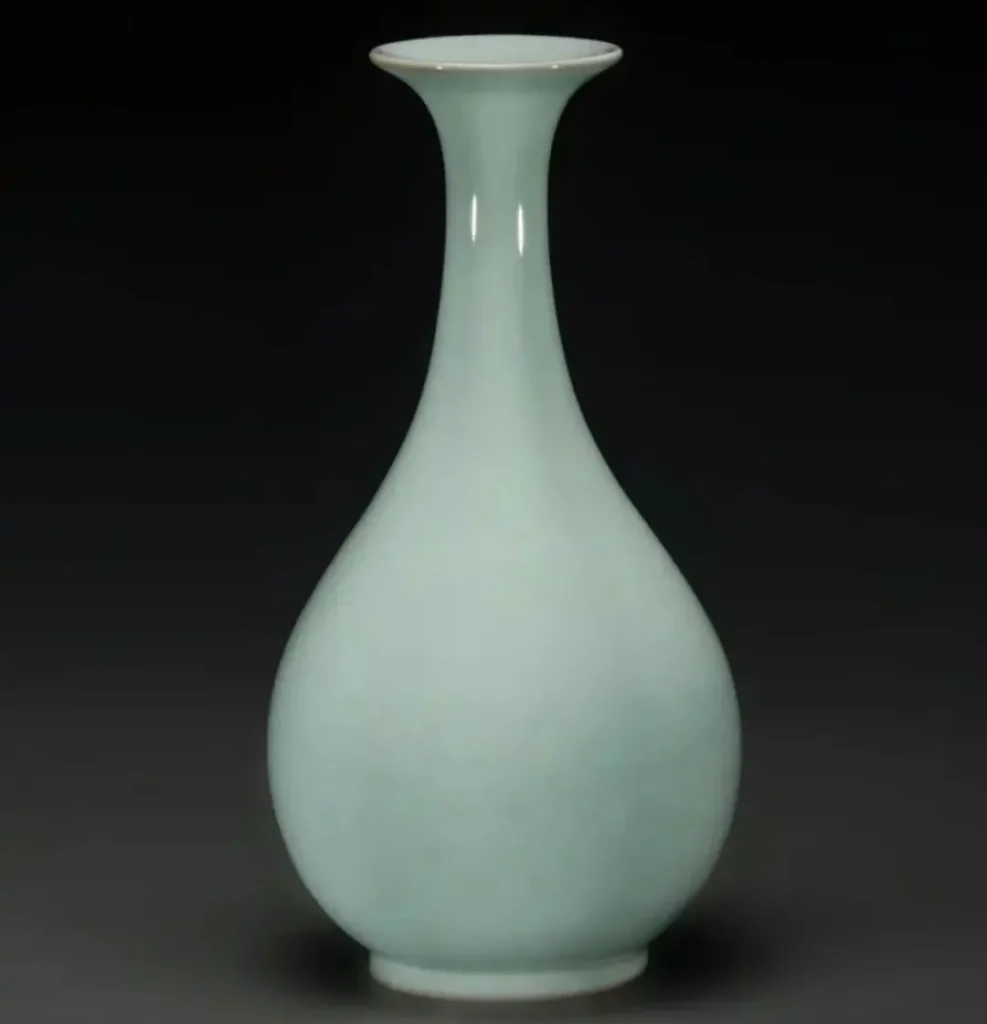
China is known as the “Land of Porcelain.” The porcelain invented in China represents a great contribution to both Chinese civilization and world civilization. The exquisite porcelain produced in China is loved by people around the world. Moreover, the techniques used in its production were spread to various countries around the globe, making significant contributions to cultural exchanges between China and other nations.
2、Embroidery
Embroidery is a traditional Chinese folk handicraft with a history of at least two to three thousand years in China. Also known as silk embroidery or needlework, it is one of China’s outstanding national traditions. China was the first country in the world to discover and utilize silk. People began raising silkworms and spinning silk as early as four to five thousand years ago.
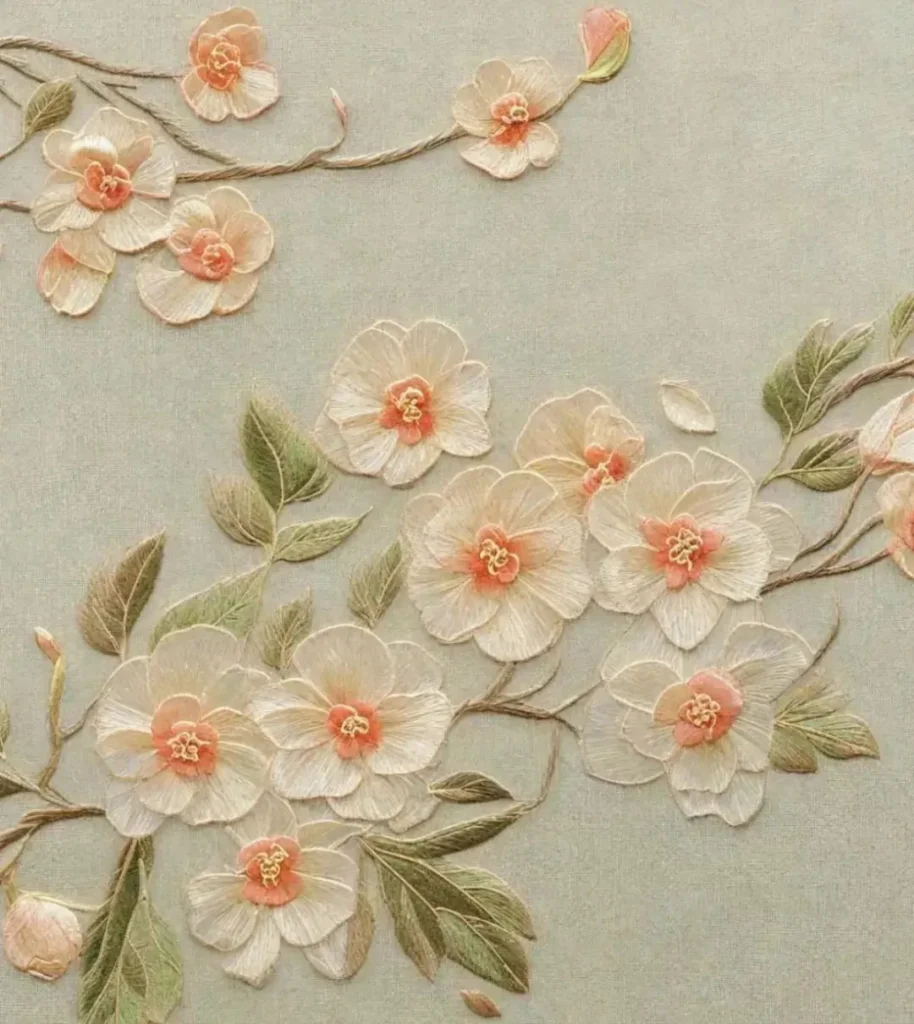
China’s most renowned embroidery styles include Suzhou embroidery from Jiangsu, Hunan embroidery from Hunan, Guangdong embroidery from Guangdong, and Sichuan embroidery from Sichuan. In addition, there is Bian embroidery from Kaifeng, Henan, and Hangzhou embroidery from Hangzhou, Zhejiang. Suzhou embroidery, Hunan embroidery, Guangdong embroidery, Sichuan embroidery, Bian embroidery, and Hangzhou embroidery together are known as “China’s Six Famous Embroidery Styles”. Embroidery embodies the intelligence and aspirations of countless women. Their delicate hands create vibrant works full of life and beauty. The needles and threads in their hands function like a painter’s brush and ink, allowing them to create stunningly beautiful designs that reflect the individuality of the embroiderers as well as the cultural characteristics and artistic achievements of different eras.
3、Go
Go is an ancient traditional intellectual game with a history of over four thousand years. It originated in China and is one of the “Four Great Ancient Chinese Arts” – “qin, qi, shu, hua” – where “qi” refers to Go. Zhang Hua of the Jin Dynasty wrote in his book “Bowu Zhi” that “Yao invented Go to teach his son Danzhu, so as to calm his mind.” In the “Analects of Confucius,” Go is mentioned as “bi qi.” The “Mencius” also contains records about the skilled Go player Yi Qiu. Like a musician finding a kindred spirit through music, Boya enjoyed tea, wine, playing Go among falling petals, and playing the zither by the wind, living a carefree life that reflected the elegance of a scholar. There are many brilliant strategies in Go: creating openings, capturing territory, forming groups of stones, splitting forces, and protecting key areas. It would be wonderful if one could find a friend to play Go with – what a delightful experience that would be in life.
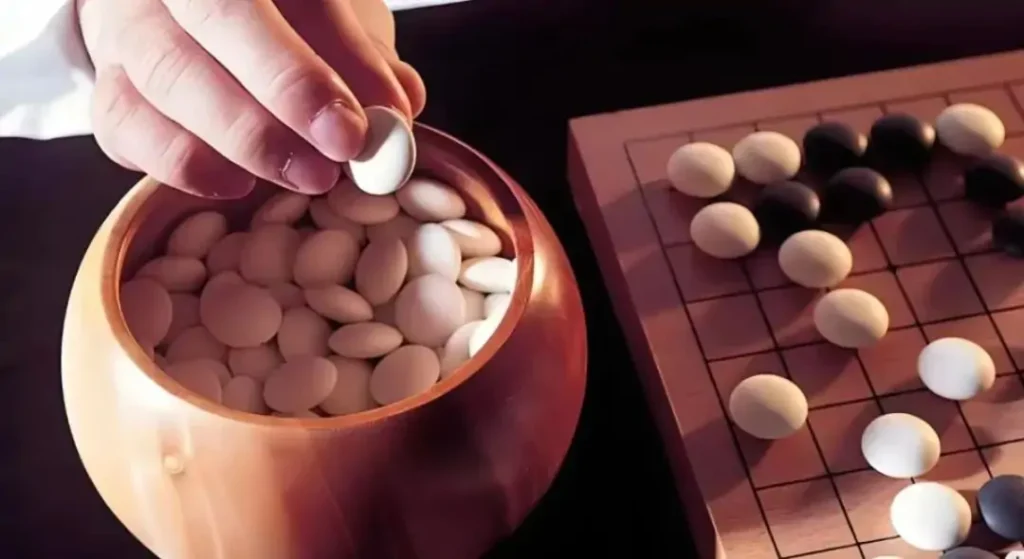
It is said that Go was invented by Emperor Yao, one of the Five Emperors, and has a history of over 4,000 years. Initially, Go was called “yi” or “qi”. Later, because the black and white pieces always attacked and surrounded each other during play, it came to be called “Go”. Go is often likened to a “world of black and white”, and thus the term “Go” became fixed as a specialized name for this game. During the Southern and Northern Dynasties, Go gradually became an essential skill for the intellectual class to cultivate their character. In the 7th century, during the Tang Dynasty, Go was introduced to Japan, where it quickly became popular.
4、Tea
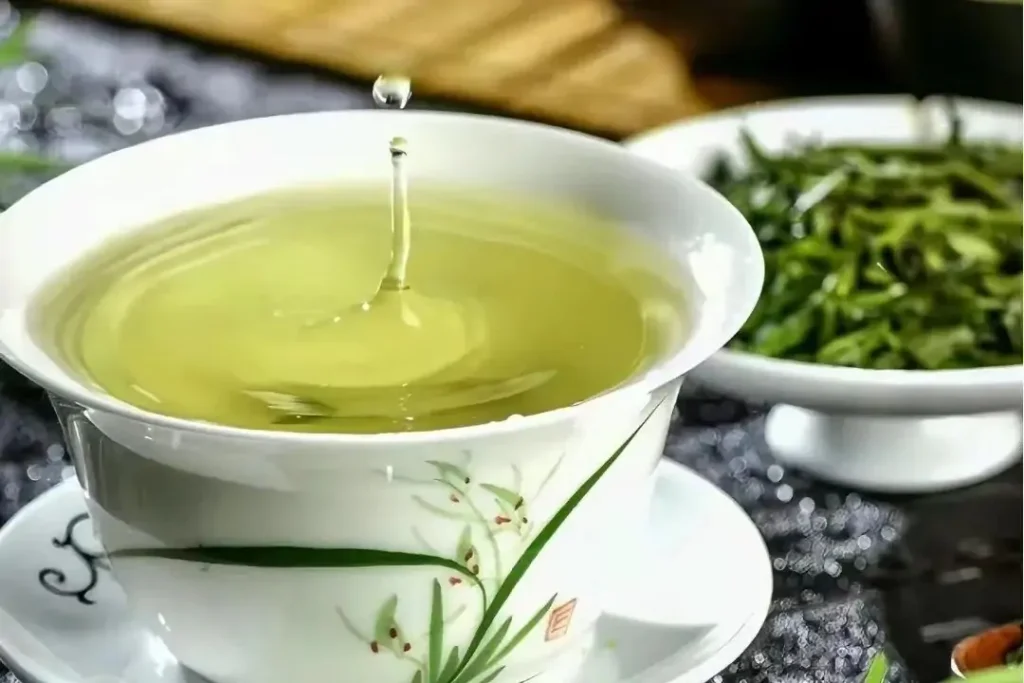
Tea culture refers to the cultural characteristics that have developed through the practice of drinking tea. This includes tea ceremonies, tea ethics, the spirit associated with tea, tea-related poetry and prose, books about tea, tea utensils, recipes for tea preparation, poems about tea, paintings related to tea, studies of tea, tea-related stories, and the art of tea service. The birthplace of tea culture is China. China is the homeland of tea. It is said that tea drinking in China began during the era of Shennong, which means it has a history of over 4,700 years. Even today, among the Han people, there is still a custom of using tea as a gift or form of appreciation. Nowadays, people from more than a hundred countries and regions around the world enjoy drinking tea. Each country’s tea culture is unique and has its own merits. Chinese tea culture reflects the long history of the Chinese nation.
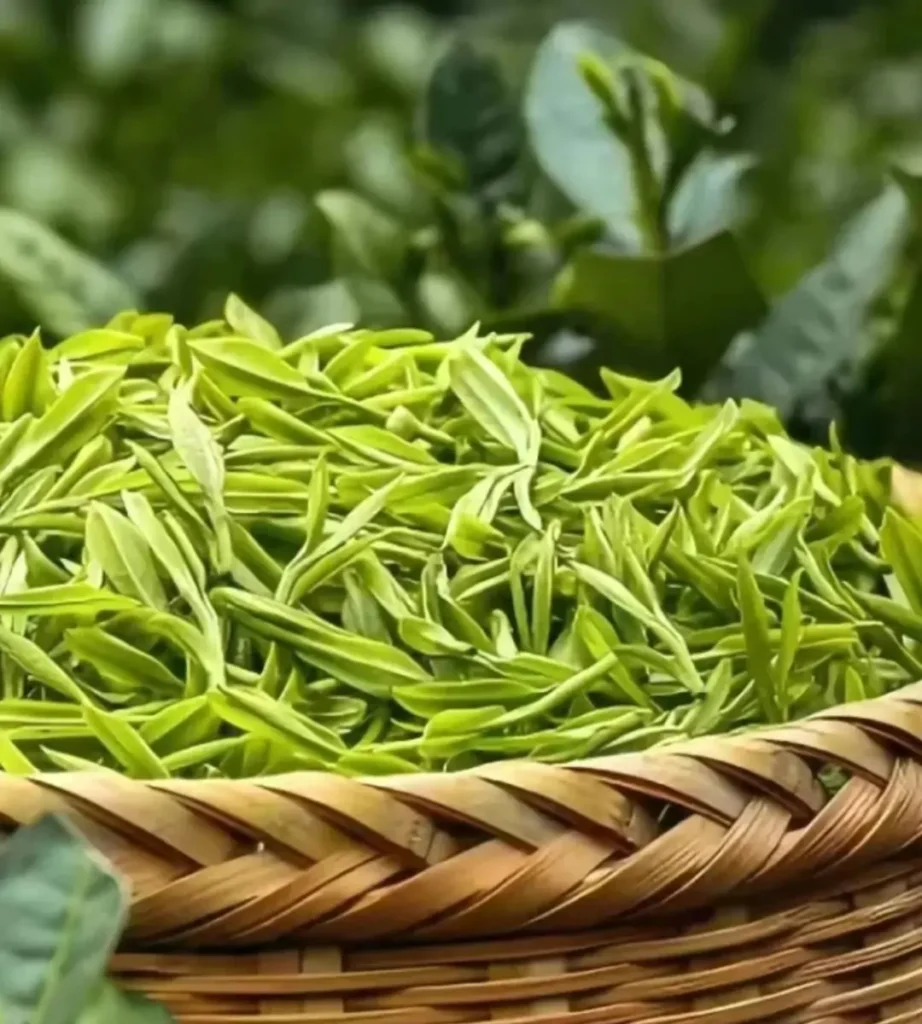
The origins of Chinese tea history are subject to various theories, including those that place its beginning in the Pre-Qin period, the Western Han Dynasty, or the Three Kingdoms era. Tea truly emerged as part of Chinese culture during the Jin and Northern Dynasties. Initially, it was favored by scholars and refined individuals. After the Kaiyuan era in the Tang Dynasty, tea drinking became very popular throughout society. The Song Dynasty continued this trend, making tea drinking even more widespread. Lu Yu, the “Sage of Tea,” wrote the book “The Classic of Tea”. The “Shennong Ben Cao Jing” also contains records related to tea.
5、Traditional Chinese Medicine
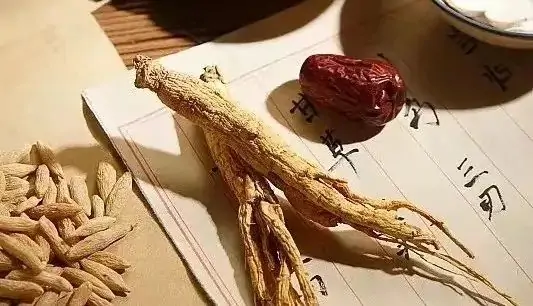
Traditional Chinese medicine is a form of traditional Chinese healthcare that primarily refers to the medical practices developed by the Han people in China. It is also known as Han medicine, and includes herbal medicine as part of its framework. Since ancient times, there has been a legend that “Shennong tasted hundreds of herbs, thus bringing medicine into existence.” Shennong is considered the progenitor of herbal medicine. Traditional Chinese medicine embodies the experiences and theoretical knowledge accumulated by ancient Chinese people in their struggle against diseases. It evolved over time through long-term medical practice, guided by ancient materialist philosophies and dialectical thinking. The Huangdi Neijing is the earliest existing treatise on traditional Chinese medicine, establishing its unique theoretical framework and serving as the foundation for the development of Chinese medicine. This great classic was completed 5,000 years ago during the reign of the Yellow Emperor, who himself is regarded as the founder of traditional Chinese medicine.
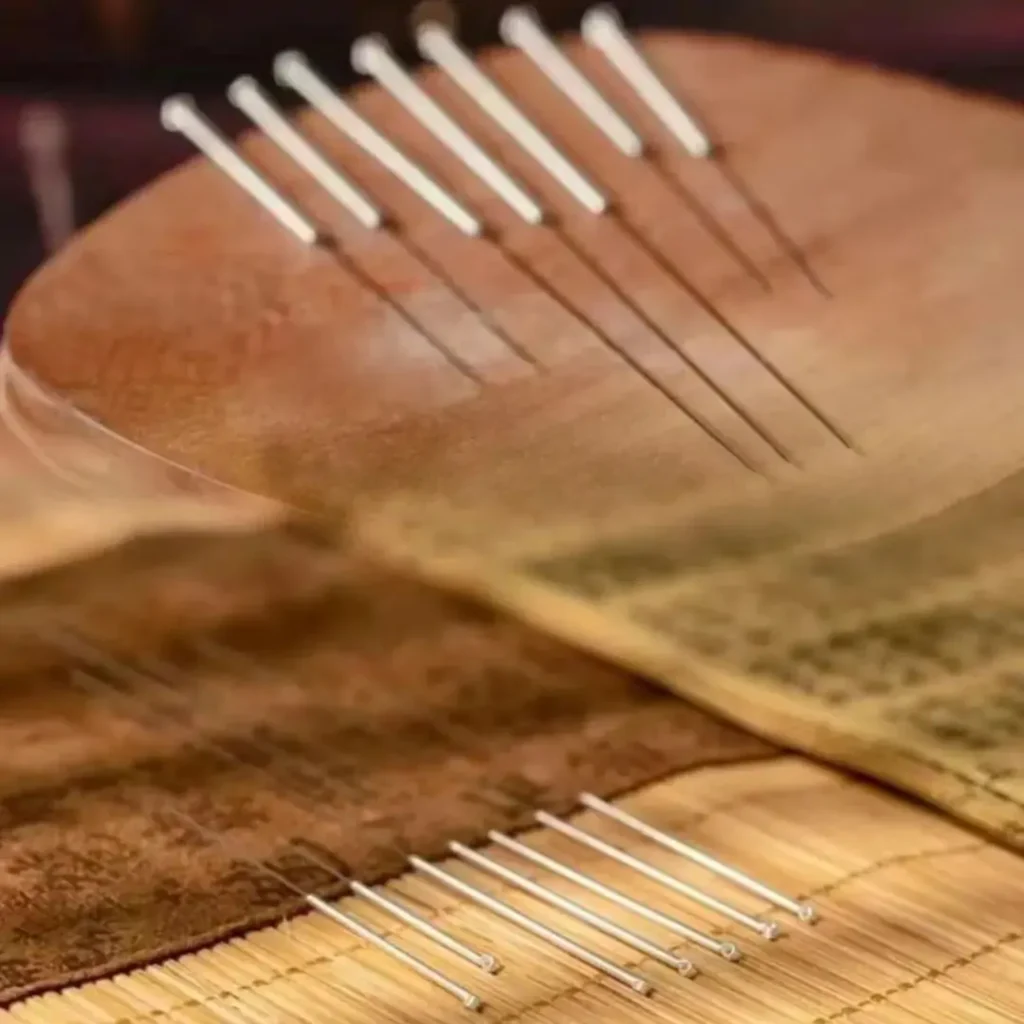
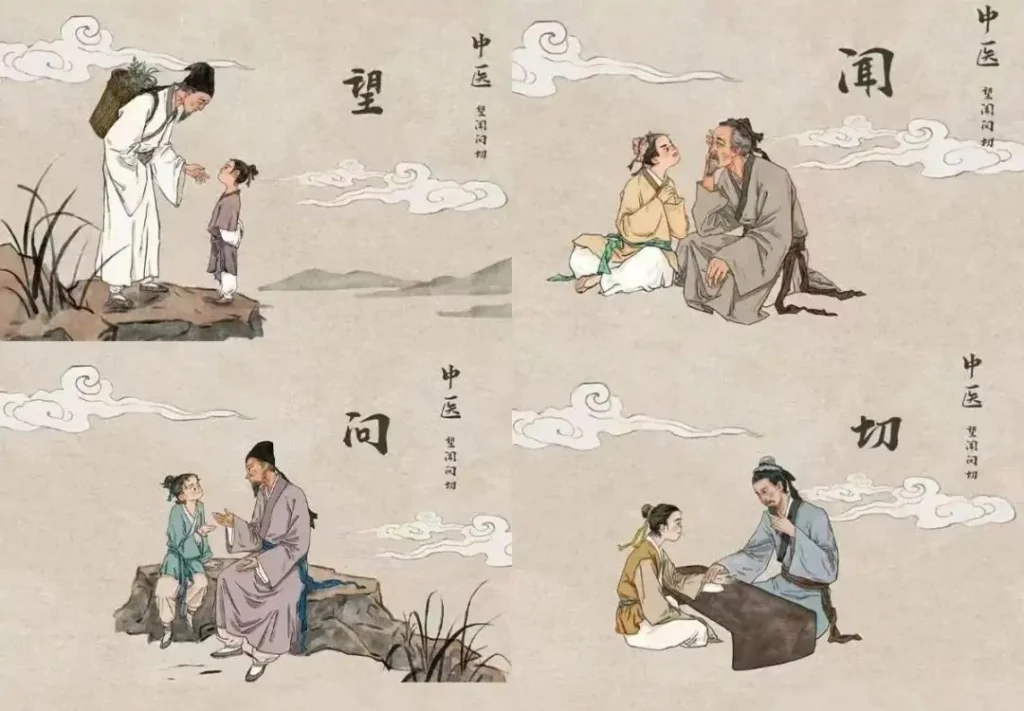
Traditional Chinese medicine is based on the theories of yin-yang and the five elements. It views the human body as a unity of qi, form, and spirit. Through the four diagnostic methods of observation, auscultation and olfaction, interrogation, and pulse-taking, doctors identify the cause, nature, and location of the disease. They analyze the pathological processes and the changes in the body’s organs, meridians, joints, as well as qi, blood, and bodily fluids. By assessing the balance between pathogenic factors and healthy energy, they determine the disease name. After classifying the symptoms into different patterns, they apply treatment principles based on syndrome differentiation, using methods such as diaphoresis, emesis, purgation, harmonization, warming, cooling, tonification, or elimination. Various therapeutic techniques are employed, including herbal medicine, acupuncture, massage, cupping, qigong, and dietary therapy, all with the goal of restoring balance between yin and yang and promoting recovery.
6、Silk
Silk is a specialty of China. The ancient Chinese people invented and produced silk products on a large scale, thereby initiating the first major exchange of goods between the East and West in world history. This trade route became known as the “Silk Road”. Starting from the Western Han Dynasty, Chinese silk was exported in large quantities abroad, becoming a product renowned throughout the world. The route from China to the West was called the Silk Road by Europeans, and China itself was referred to as the “Land of Silk”.
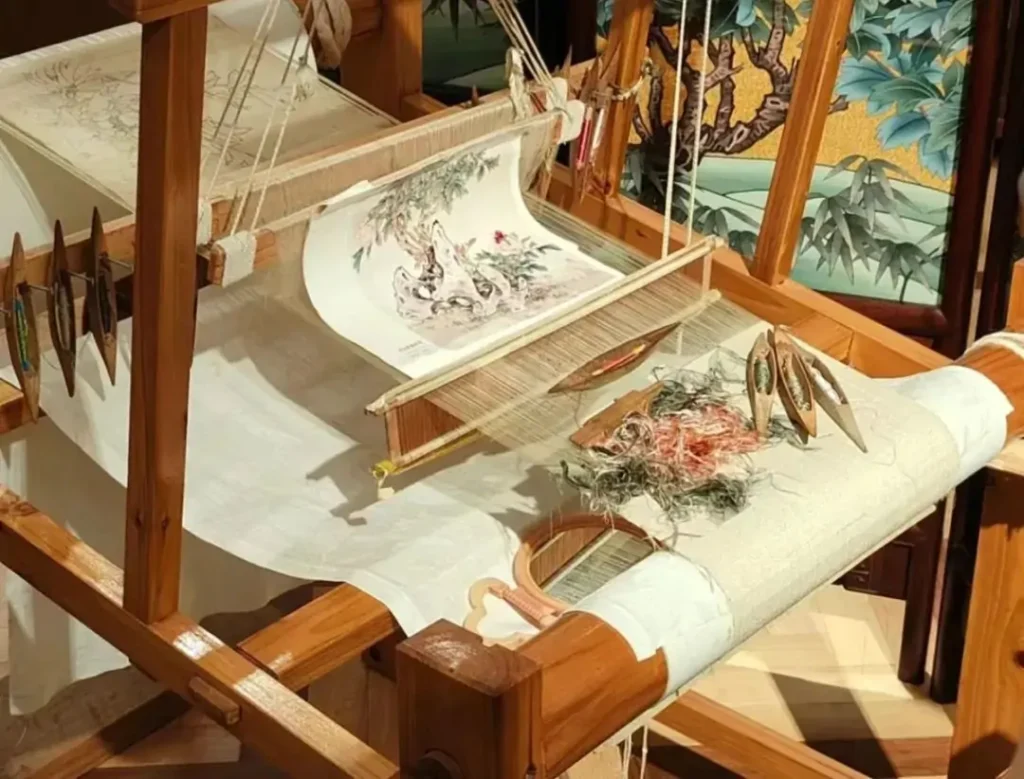
Silk possesses many advantages such as comfort, sound absorption, dust retention, heat resistance, UV protection, and excellent moisture absorption and release properties. It is these qualities that have enabled silk to remain popular throughout thousands of years of history. Ancient people adored it, and today it remains a highly sought-after treasure.
7、Martial Arts
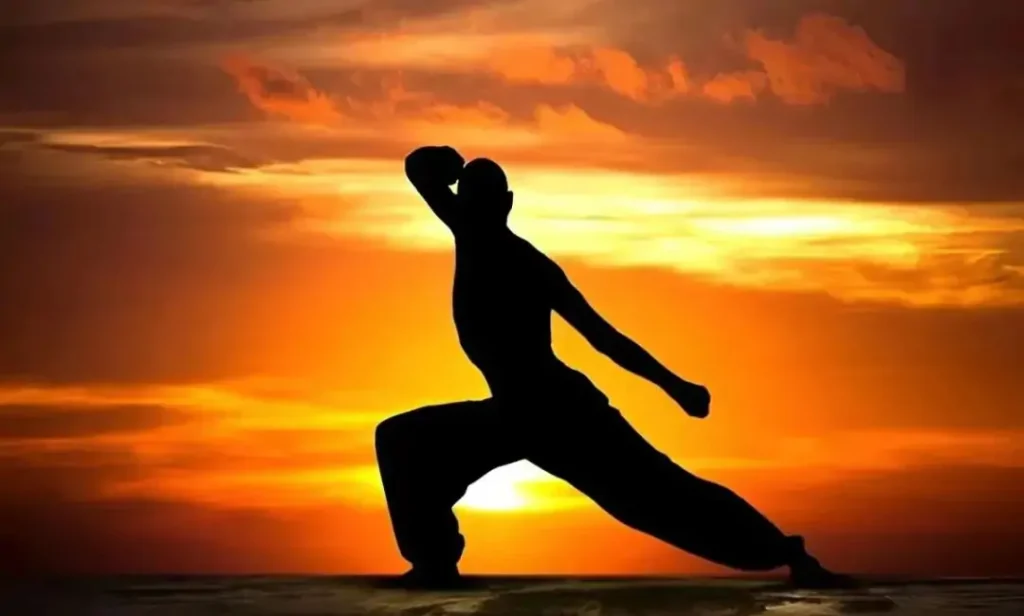
Chinese martial arts, also known as Kungfu, are traditional Chinese combat arts with a long history that dates back to the Shang and Zhou dynasties. Kungfu has a vast following among the people. It is a precious cultural heritage developed over time through the collective efforts of the Chinese working class in their social practices. It represents one of the outstanding cultural treasures of the Chinese people. Chinese martial arts are an essential part of traditional Chinese culture. For thousands of years, they have served as a means for the Chinese people to strengthen their bodies and defend themselves. Hence, they were called “Kungfu”. In the early years of the Republic of China, they were referred to as “Guoshu”. Practicing martial arts helps to improve both the body and mind, enhancing one’s sense of security and vitality. It enables one to develop inner strength and peace of mind. This art form is a cultural treasure passed down through generations, serving to nurture the spirit and protect the soul.
The characteristic of Chinese martial arts, which emphasizes the unity of internal and external aspects as well as the balance between form and spirit, is reflected in the techniques and combat methods used. The principle of “cultivating energy, spirit, and mind internally, while strengthening muscles, bones, and skin externally” is common across various martial arts schools. For example, Ji Quan emphasizes the integration of body and mind, requiring practitioners to “use the mind to control energy and use energy to move the body”. This reflects how Chinese martial arts, as a cultural phenomenon, have been influenced by ancient Chinese philosophy, medicine, aesthetics, and other fields over time. As a result, they have developed unique training methods and forms of exercise that reflect their distinct national style.
8、Calligraphy
Chinese calligraphy is an ancient art of writing Chinese characters. It evolved from oracle bone inscriptions, stone drum inscriptions, and bronze inscriptions into various forms such as large seal script, small seal script, and clerical script. Eventually, cursive script, regular script, and semi-cursive script were established during the Eastern Han, Wei, and Jin dynasties. Throughout its history, calligraphy has always exuded artistic charm. Chinese calligraphy is a unique visual art form. Chinese characters play a crucial role in it, as calligraphy originated and developed within Chinese culture, and Chinese characters are one of the fundamental elements of this culture.
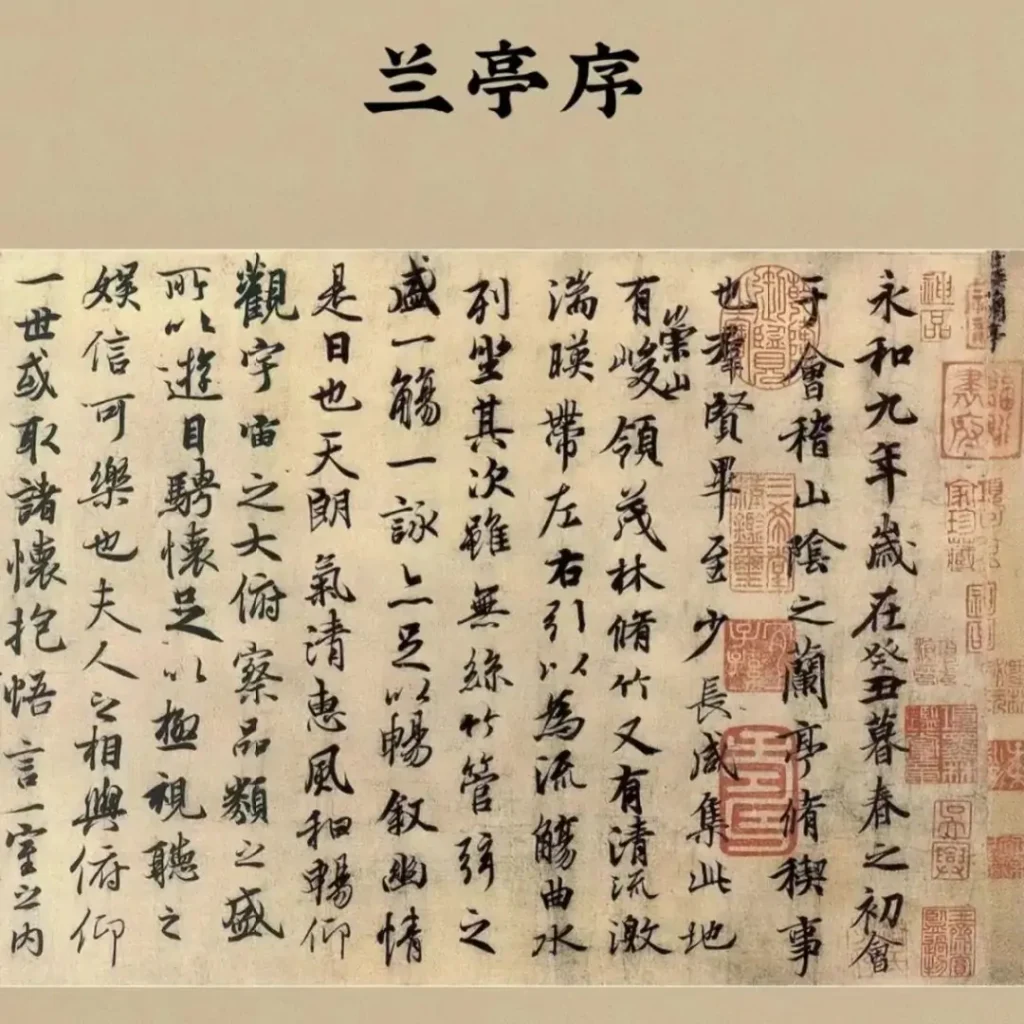
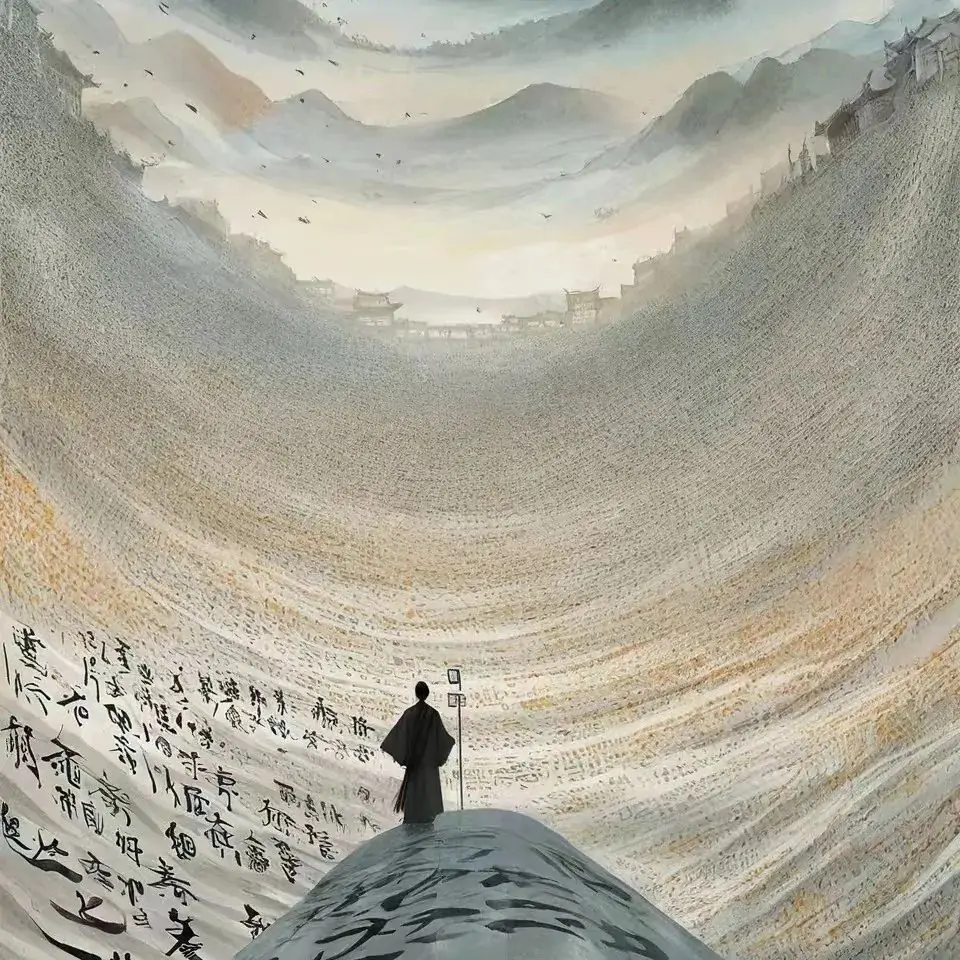
Relying on Chinese characters is the main characteristic that distinguishes Chinese calligraphy from other types of calligraphy. Relying on Chinese characters is the key factor that makes Chinese calligraphy distinct from other forms of calligraphy.
9、Paper Cutting
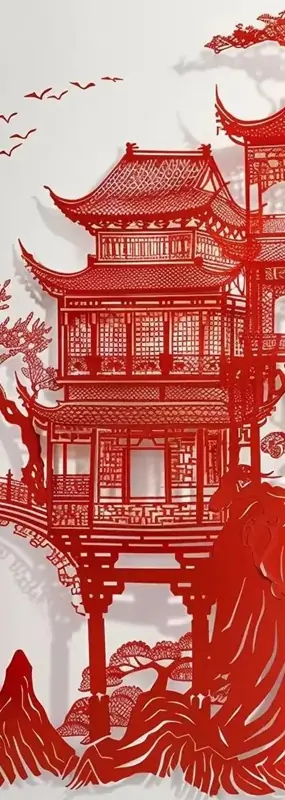
Paper cutting is one of the oldest forms of Chinese folk art. As a form of art that involves cutting through paper to create patterns, it offers a visually pleasing experience with its open-air effects and artistic beauty. Paper cuts are created by using scissors to shape paper into various designs, such as window decorations, door hangings, wall art, ceiling ornaments, and lantern decorations.
During festivals or weddings, people decorate their homes with beautiful and colorful paper cuts on windows, walls, doors, and lanterns, thereby enhancing the festive atmosphere. In rural areas, paper cutting is usually done by women and girls. In the past, paper cutting was considered a essential handicraft skill that every girl should master. It was also used as a criterion for evaluating a bride’s skills. Through a pair of scissors and a piece of paper, people in both northern and southern China can express all the emotions and aspects of life through paper cutting.
10、Peking Opera
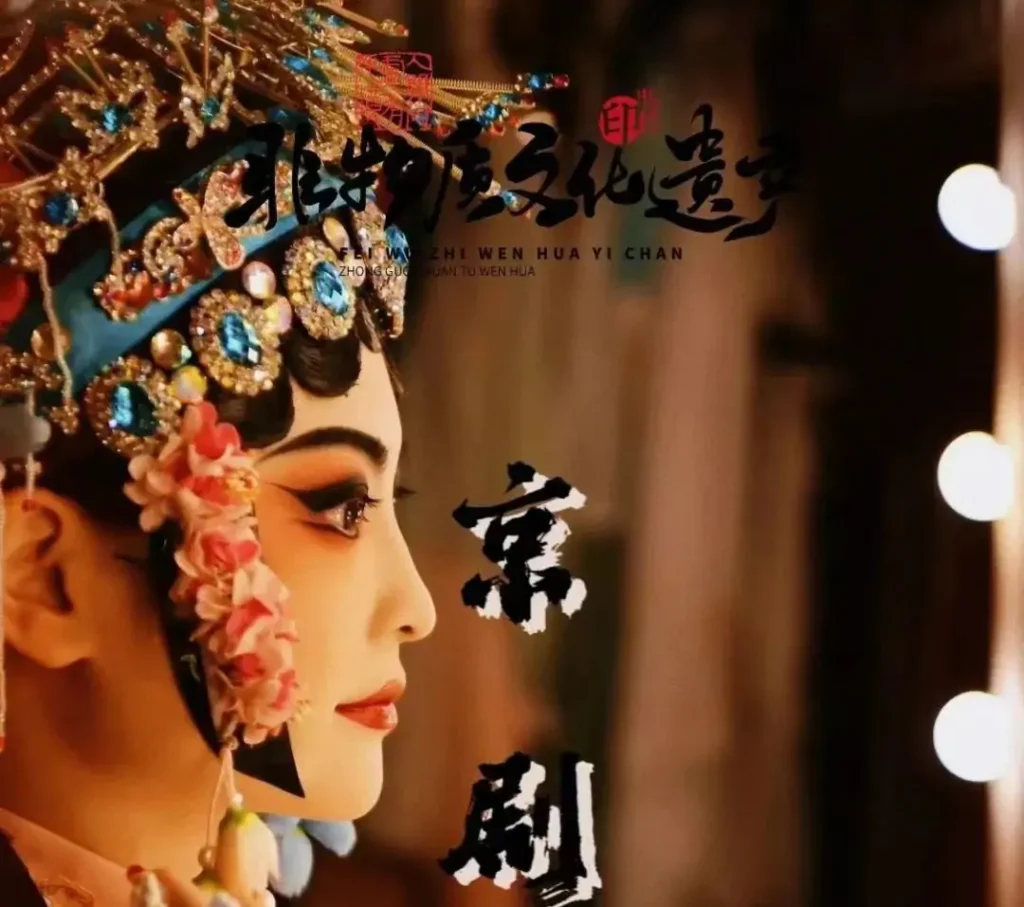
Peking Opera, also known as Pingju or Jingxi, is the most influential traditional Chinese opera genre. Its origin lies in Beijing, but it has spread throughout China. Peking Opera serves as an important medium for expressing and transmitting Chinese traditional culture. It is considered one of the five major classical operas in China. The main melodies are Xipi and Erhuang, with instruments like the huqin and drums used for accompaniment. Peking Opera is regarded as one of China’s national treasures. The roles in Peking Opera include Sheng, Dan, Jing, Chou, Za, Wu, and Liu. The latter three roles are no longer performed as separate categories. Each role has its own set of performance techniques, with distinctive styles in singing, reciting, acting, and fighting. Peking Opera mainly features historical stories as its themes. There are over 1,300 traditional plays, with more than 300-400 of them being performed frequently. Peking Opera has a wide influence across China and is often referred to as “the national opera.” The performing style associated with Mei Lanfang is considered representative of Eastern dramatic traditions and is one of the three major performing arts systems in the world. Peking Opera is an important expression of Chinese traditional culture, with many of its artistic elements serving as symbols of Chinese culture. It has also contributed significantly to cultural exchanges between China and other countries by spreading its art form around the world.