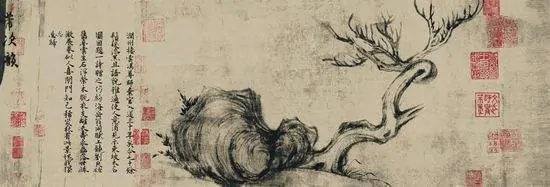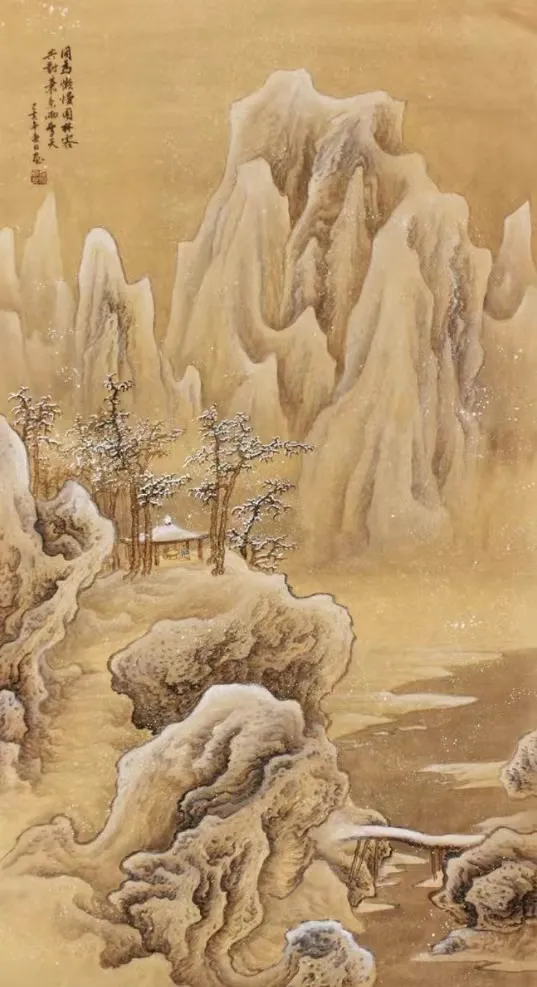
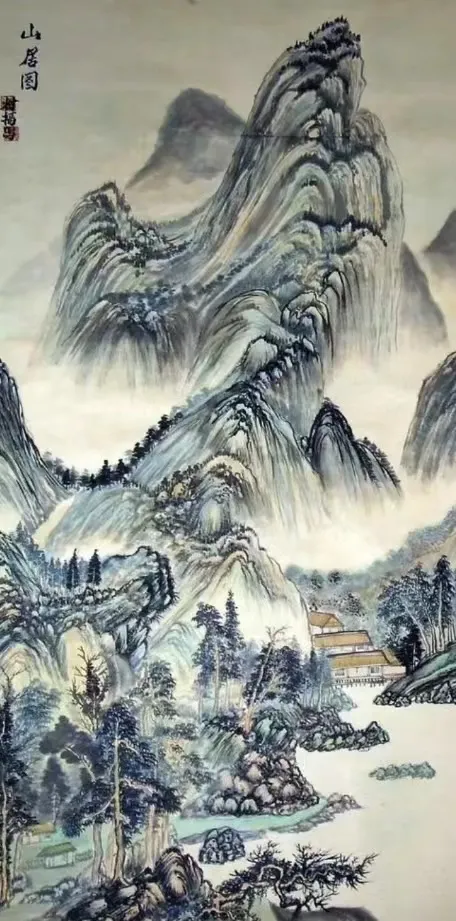
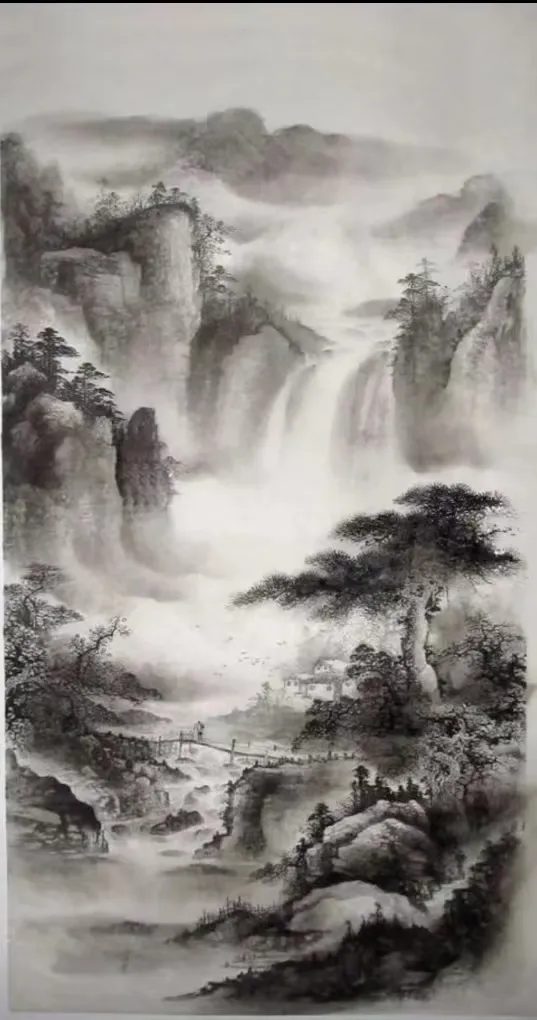
The term “traditional Chinese painting” dates back to the Han Dynasty. People of the Han Dynasty believed that China occupied the center of heaven and earth, hence the name “Zhongguo (China)”; paintings created within China were therefore named “Zhongguo Hua”, shortened to “Guohua (traditional Chinese painting)”. It primarily refers to scroll paintings executed on silk, rice paper or plain silk fabrics and then mounted for display. As China’s traditional painting form, traditional Chinese paintings are created by dipping writing brushes in water, ink and mineral pigments to paint on silk or rice paper. Its tools and materials include writing brushes, ink sticks, Chinese painting pigments, rice paper and silk. Common subject matters cover figures, landscapes, flowers and birds, while its techniques fall into two categories: realistic fine brushwork and freehand brushwork. In terms of content and artistic creation, Chinese paintings embody ancient people’s perceptions of nature, society, as well as related politics, philosophy, religion, morality, literature and art.
1、Conception Precedes Brushwork, Artwork Fully Conveys Implied Meaning.
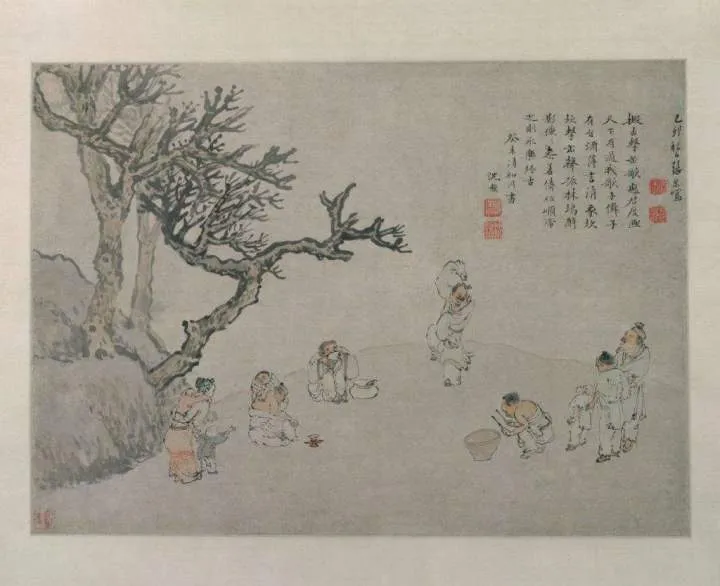
Shortened as Guohua, Chinese painting boasts unique characteristics and an independent system within global fine arts. It mainly adopts traditional Chinese tools and materials including writing brushes, ink, rice paper, silk, ink slabs and pigments. Through a complete set of distinctive traditional expressive techniques centered on lines, painters depict the shape, vitality and texture of objects. Moreover, Chinese paintings integrate poetry, calligraphy and seal carving, and are framed with exclusive Chinese mounting craftsmanship, bearing distinct artistic features and strong ethnic styles. Chinese painting advocates core artistic principles: “Draw inspiration from nature externally, cultivate inner insight internally”, “Capture spirit through form to achieve harmony of form and spirit”, and “Conception precedes brushwork; artwork fully conveys implied meaning”. Instead of pursuing strict lifelike representation of figures, it focuses on expressing artistic conception and excels in vivid artistic vitality. On the basis of inheriting traditional brush and ink techniques, modern and contemporary Chinese paintings have drawn lessons from Western painting methods, achieving new advancements and expansions in expressive capacity.
2、Ink Within Color, Color Within Ink.
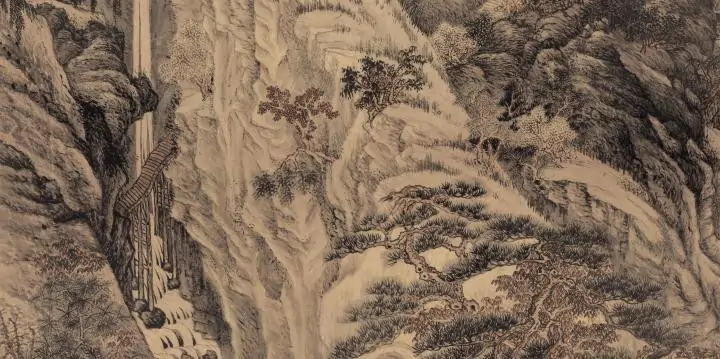
Many Chinese paintings contain no pigments, relying solely on varying shades of ink to evoke a sense of color in viewers. Paintings that employ pigments are referred to as “color-wash paintings”. When applying colors, Chinese paintings generally follow the rule of “assigning colors according to subject categories”, prioritizing the inherent hues of depicted objects: darker tones for foreground elements and lighter shades for distant scenery, pale colors on raised surfaces and deep hues in recessed areas. The ultimate pursuit is “ink within color, color within ink; color never overwhelms ink, nor ink overshadows color”. Major color application techniques are listed as follows:
(1)Layered Rendering: Apply pigments along the original brush strokes of ink lines, starting with light washes, either completing coloring in one layer or building up depth through repeated applications.
(2)Flat Washes: Also known as even washes. First moisten part of or the entire painting surface with a large brush dipped in clean water, then blot excess moisture with absorbent paper before gently laying on pale pigments, resulting in uniform color without tonal variations.
(3)Blended Glazing: Apply pigment with one brush, then blend the edge of the pigment wash with a water-dampened second brush to create gradual transitions from light to dark or dark to light via multiple overlapping color layers. This technique is mostly used for localized coloring in fine brushwork paintings.
3、Fine Brushwork and Freehand Brushwork.
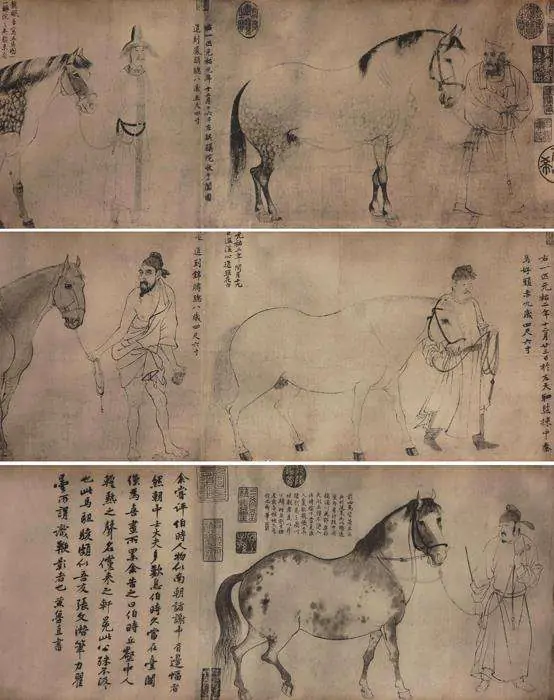
Fine brushwork, also called delicate brushwork, stands in contrast to freehand brushwork. It refers to the meticulous, precise and intricate painting technique for depicting subjects in Chinese painting, divided into line-drawing fine brushwork and heavy-color fine brushwork. Line-drawing fine brushwork portrays subjects solely through elaborate ink outlines without any pigment application. Heavy-color fine brushwork features not only neat and delicate line art but also rich, brilliant layered pigments. Heavy-color fine brushwork dominated Chinese painting in its early developmental stages.
Freehand brushwork, also known as bold brushwork, contrasts with fine brushwork. It is a Chinese painting technique that uses unrestrained, concise brush and ink strokes to vividly capture the form and spiritual essence of subjects, expressing the painter’s artistic conception. Freehand brushwork splits into two styles: grand freehand brushwork and minor freehand brushwork. Grand freehand brushwork features the most unrestrained, bold strokes, focusing on conveying the overall characteristics of subjects. Minor freehand brushwork sits between grand freehand brushwork and fine brushwork; it uses concise brushstrokes while still attending to subtle details.