
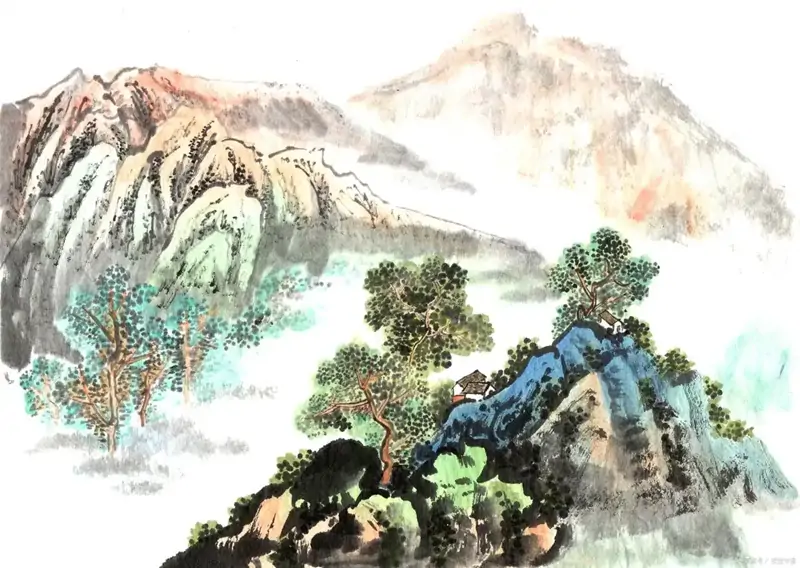
As a traditional Chinese art form, Chinese painting carries profound historical and cultural heritage. It is more than just a visual artistic expression; it serves as a carrier of the spirit and philosophy of the Chinese nation. What exactly qualifies a painting as Chinese painting, and how is it created?
1、Categories of Chinese Painting
Chinese painting boasts a wide range of genres, primarily divided into the following categories:
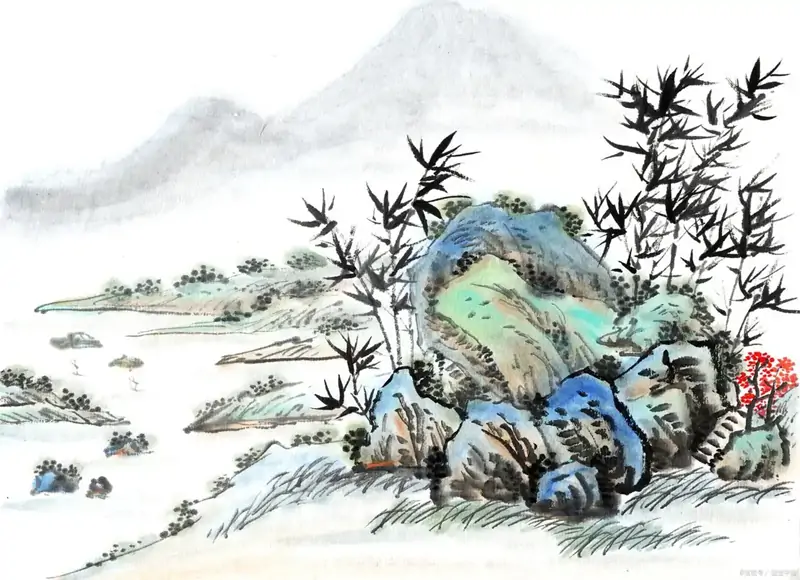
(1)Landscape Painting: Centered on natural mountains and rivers, it aims to convey the grandeur and tranquility of nature.
(2)Flower-and-Bird Painting: Featuring flowers and birds as core subjects, it delicately depicts the vividness and beauty of the natural world.
(3)Figure Painting: Mainly portrays human figures, revealing people’s emotions and life stories.
(4)Paintings of Beasts, Insects and Fish: Taking animals and insects as themes, it captures the vitality and liveliness of nature.
2、Painting Tools
Chinese painting features distinctive tools, mainly including:
(1)Writing Brushes: The core tool for Chinese painting, categorized into hard-haired brushes, soft-haired brushes and mixed-haired brushes.
(2)Ink: Produced by grinding ink sticks with water, ink comes in varying shades of thick, light, dry and wet tones.
(3)Xuan Paper: A special type of paper with strong water absorption, ideal for brush calligraphy and painting.
(4)Ink Slab: Used for grinding ink sticks into liquid ink.
(5)Pigments: Most Chinese painting pigments are made from natural minerals or plants, delivering bright and long-lasting hues.
3、Painting Techniques
Chinese painting lays great emphasis on the manipulation of brush and ink, with commonly used techniques as follows:
(1)Brushwork: Incorporates central-tip strokes, side-tip strokes, reverse-tip strokes and other brush methods, which painters flexibly switch according to artistic needs.
(2)Ink Application: Focuses on variations of thick, light, dry and wet ink shades to render the texture and spatial depth of objects.
(3)Composition: Values blank space and spatial arrangement, pursuing visual balance and harmony within the frame.
(4)Color Application: Chinese painting adopts concise and bright coloring, using thin, translucent pigments that harmonize closely with ink tones.
4、Origins and Historical Development of Chinese Painting
The origins of Chinese painting can be traced back to painted pottery patterns and rock paintings of the Neolithic Age, which laid the foundational forms of Chinese painting. During the Spring and Autumn and Warring States Periods, Chinese painting gradually broke away from primitive forms and appeared on various silk fabrics and silk paintings. Artworks of this era relied mainly on line drawing with simple, bright colors.
Historical Development Stages
(1)Qin and Han Dynasties: Chinese painting achieved further advancement during this period with more sophisticated painting skills. Representative works such as palace murals and silk paintings began to attach importance to composition and spatial layout.
(2)Wei, Jin and Northern and Southern Dynasties: Influenced by Taoism and Buddhist art, Chinese painting developed unique aesthetic pursuits. Painters started to express individual temperament, highlighting the charm of brush and ink and the creation of artistic conception.
(3)Sui and Tang Dynasties: Chinese painting entered a golden age of prosperity in this period. Painting subjects expanded to cover landscapes, flowers, birds and human figures, accompanied by richer and more diverse techniques including outline coloring and boneless painting.
(4)Five Dynasties, Song and Yuan Dynasties: Chinese painting reached full maturity during this era, spawning diverse schools and artistic styles. Landscape and flower-and-bird painting reached their peak, producing numerous master painters and classic artworks.
(5)Ming and Qing Dynasties: Painters of the Ming and Qing dynasties paid closer attention to brush and ink manipulation, pursuing profound artistic conception and spiritual resonance in brushwork. Meanwhile, artists focused more on expressing personal character and inner emotions, forming a rich variety of artistic styles.
5、Conclusion
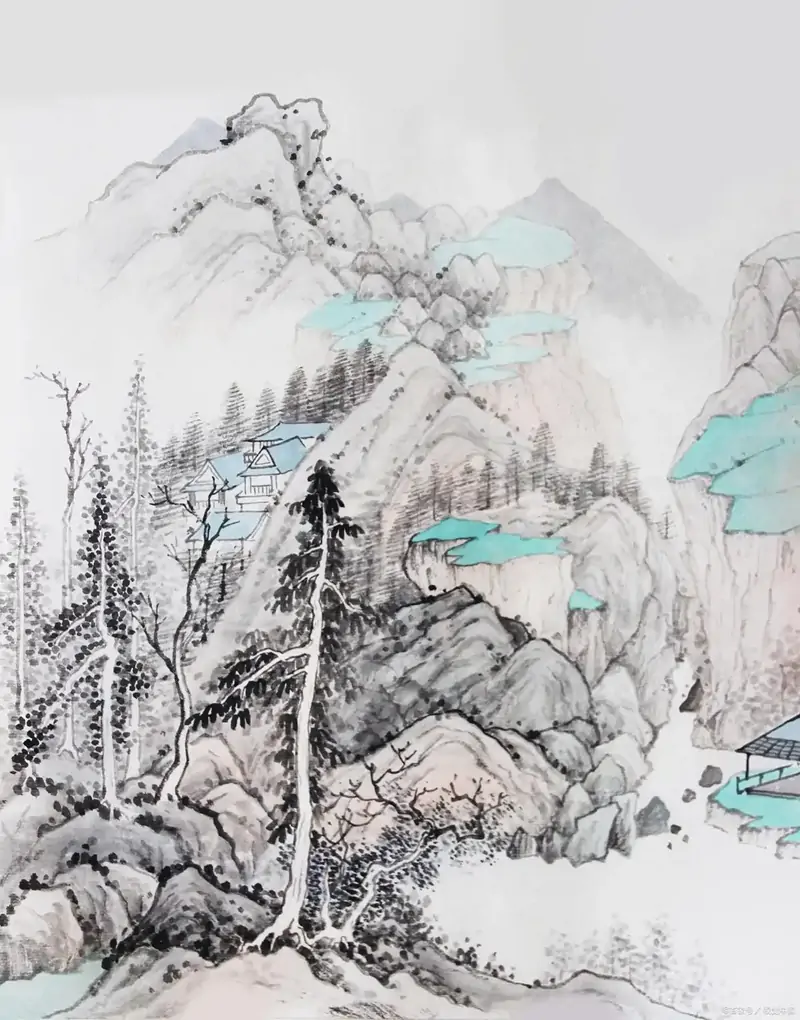
As a treasure of traditional Chinese art, Chinese painting features diverse genres, unique tools, and painting techniques centered on brush, ink and artistic conception. It is far more than a set of painting skills, but also a spiritual pursuit and cultural inheritance. Amid the hustle and bustle of modern life, learning and practicing Chinese painting allows us to experience the peace and beauty of traditional art, and contributes to the inheritance and promotion of Chinese culture.